- On 14 July, 2025
- In ALL BLOGS VIỆT NAM BLOGS
- Tags Tags: things to do, travel blogs, Unesco, Vietnam, world heritage
Vietnam’s 9th UNESCO World Heritage Site: Yên Tử – Vĩnh Nghiêm
Yên Tử – Vĩnh Nghiêm – Côn Sơn – Kiếp Bạc: Vietnam’s 9th UNESCO World Heritage Site
Table of Contents
Published on July 13, 2025 | Updated: Recent UNESCO recognition
Overview & Significance
On July 12, 2025, the UNESCO World Heritage Committee officially added the Yên Tử – Vĩnh Nghiêm – Côn Sơn – Kiếp Bạc complex as Vietnam’s 9th UNESCO World Heritage site and its first inter-provincial cultural landscape, spanning Quảng Ninh, Bắc Ninh, and Hải Phòng provinces.
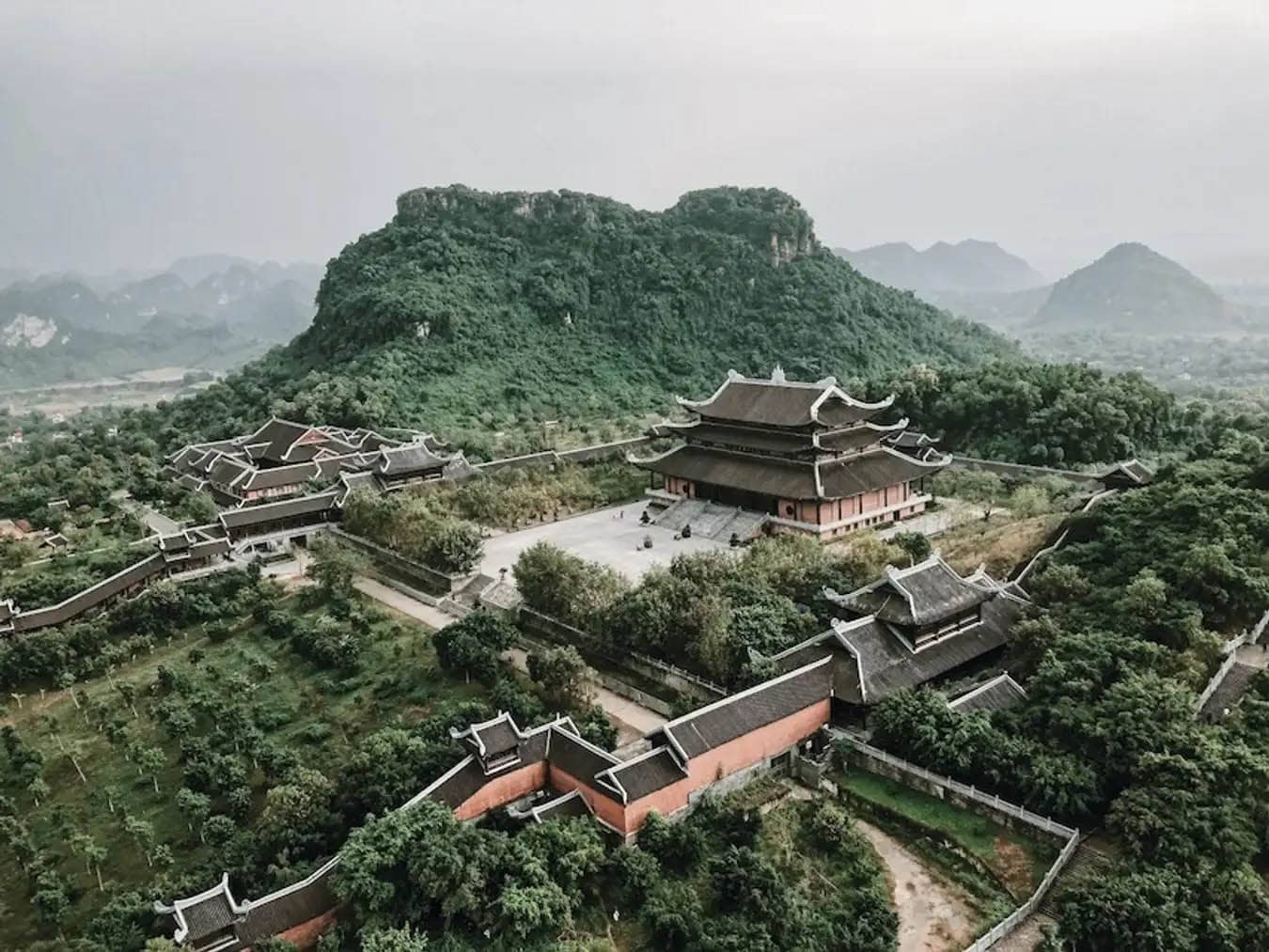
This chain of historic Buddhist monuments highlights the unique tradition of Trúc Lâm Zen, established in the 13th century by King-turned-monk Trần Nhân Tông. The ensemble exemplifies the harmonious fusion of state, religion, and community in shaping Vietnamese cultural identity.
Why It’s Outstanding
- Trúc Lâm Zen Buddhism: A uniquely Vietnamese Zen lineage promoting peace, tolerance, ethical living, compassion, and harmony with nature.
- Cultural Continuity: A chain of 32 components, including 18 clusters with major national monuments—like Vĩnh Nghiêm Pagoda and Bổ Đà Pagoda—preserved over 700 years.
- Spiritual Landscape: A pilgrimage route woven through sacred mountains, hilltops, temples, stelae, and relics marking the development of Trúc Lâm Zen.
Key Heritage Sites Within the Complex
From top-left: Exquisite Ho Thiên Tower garden at Hạ Thiên; Lush forest trails of Hòa Yên Pagoda; Pilgrims at Hạ Thiên area; Ancient stone bridge at Con Sơn–Kiếp Bạc site.
Yên Tử Mountain & Trúc Lâm Monastery
A sacred mountainside pilgrimage culminating at the historic Trúc Lâm Yên Tử Monastery, founded by King Trần Nhân Tông after renouncing the throne.
Vĩnh Nghiêm Pagoda (Bắc Giang)
A UNESCO Memory of the World site for its ancient woodblocks, Vĩnh Nghiêm is integral to the religious and cultural tapestry of Vietnamese Buddhism.
Côn Sơn – Kiếp Bạc (Hải Dương)
Home of the Kiep Bac Temple dedicated to national hero Trần Hưng Đạo, plus Con Sơn Pagoda, a spiritual hub featuring the “Fairy Chessboard” (Bàn Cờ Tiên) and historic bridges.
UNESCO Criteria & Governance
Inscribed under Criteria (iii) and (vi), the site is praised for its testament to cultural traditions and its global spiritual importance.
The nomination dossier, submitted in early 2024 after thorough preparation since 2013, includes comprehensive documentation, mapping, and management plans across three provinces.
What This Means for Vietnam
- Global Recognition: Highlights Vietnam’s contribution to cultural heritage and sustainable protection efforts.
- Regional Cooperation: Strengthens strategic links across Quảng Ninh, Bắc Ninh, and Hải Phòng for collective management and tourism planning.
- Cultural Tourism Boost: Enhancing local socio-economics through pilgrimage and heritage tourism, while deepening public conservation awareness.
Experience the Legacy with Asiana Link
For those seeking an immersive journey into the spiritual and cultural heart of Vietnam, Asiana Link offers curated experiences to the Yên Tử – Vĩnh Nghiêm – Côn Sơn – Kiếp Bạc complex. Discover hidden heritage gems, follow sacred pilgrimage paths, and connect with the profound traditions of Trúc Lâm Zen Buddhism.
With expertly guided tours, deep local insight, and a commitment to sustainability, Asiana Link ensures every traveler leaves with a meaningful story of Vietnam’s newest UNESCO World Heritage Site.